

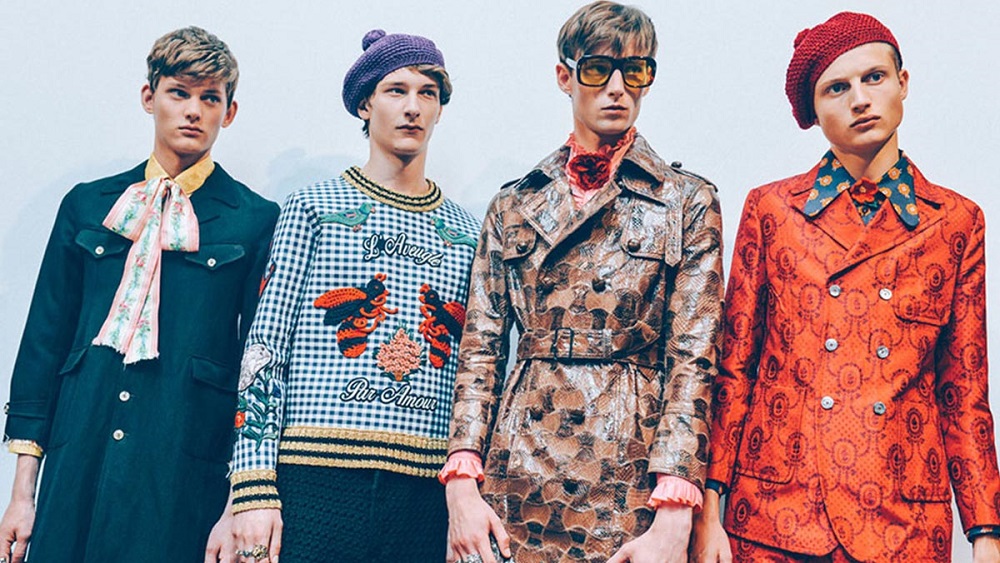
Fashion serves as a cultural mirror, capturing shifts in technology, social attitudes, economics, and everyday lifestyles. Over the course of the past decade, the global fashion landscape experienced an unprecedented transformation. What began as an industry dictated by exclusive runway presentations and legacy print magazines evolved into an open, fast-moving ecosystem driven by digital connectivity, consumer values, and a fundamental rethinking of personal identity.
The trends that defined this era did not merely alter aesthetic tastes; they changed how garments are designed, marketed, manufactured, and worn. From the total erasure of boundaries between sportswear and formal attire to the rediscovery of vintage silhouettes, the decade challenged traditional conventions and established a more democratic, expressive, and versatile approach to personal style.
The Rise and Dominance of Athleisure and Streetwear
Perhaps no movement has permanently reshaped daily wardrobes quite like the convergence of streetwear and athletic functionality into mainstream fashion. For decades, sportswear belonged strictly inside athletic facilities, while luxury fashion operated in an insulated world of structured tailoring and couture craftsmanship.
During this decade, those lines dissolved entirely. Streetwear evolved from a niche subculture rooted in skateboarding, hip-hop, and youth communities into the primary engine of high fashion. High-end luxury houses partnered with legacy athletic brands, producing runway collections that featured sneakers, hoodies, track jackets, and oversized outerwear.
The shift was powered by several defining elements:
-
Sneaker Culture as Luxury: Premium designer sneakers became legitimate status symbols, replacing formal leather dress shoes in corporate offices, fine dining establishments, and red-carpet events.
-
Functional Comfort: Consumers rejected stiff, restrictive garments in favor of technical textiles, flexible waistbands, and breathable fabrics engineered for all-day mobility.
-
Casualization of the Modern Workplace: The rise of flexible work arrangements and tech-centric corporate cultures eliminated traditional business attire, establishing high-end casual wear as the new professional standard.
What started as a trend cemented itself as a permanent lifestyle shift. The demand for comfort, utility, and effortless cool fundamentally altered how designers approach modern tailoring.
Nostalgia and the Return of Vintage Silhouettes
Fashion has always moved in cyclical patterns, but the past decade witnessed an intense fascination with past eras. In particular, the late 1990s and early 2000s, commonly referred to as the Y2K era, made an overwhelming comeback, driven largely by younger generations discovering these aesthetics through social media and digital archives.
Rather than copying past trends wholesale, modern fashion enthusiasts reimagined these eras with contemporary styling:
-
The Fall of Skinny Jeans: After dominating wardrobes for years, ultra-tight denim gave way to relaxed, wide-leg, cargo, and straight-cut silhouettes that emphasize volume and ease of movement.
-
Y2K Revival Details: Cropped tops, low-rise trousers, metallic fabrics, tinted sunglasses, and utilitarian cargo pockets re-emerged across high-street and designer collections.
-
The Grunge and Indie Sleaze Resurgence: Distressed leather jackets, oversized flannel shirts, chunky platform combat boots, and layered textures offered an alternative to polished minimalism.
This archival appreciation demonstrated that modern consumers value individuality and historical references, using vintage aesthetics to stand out in an increasingly homogenized digital environment.
Sustainability, Circularity, and the Rise of Secondhand Style
As awareness regarding environmental degradation and textile waste entered mainstream conversation, the fashion industry faced growing scrutiny. Consumers began demanding greater accountability from apparel brands regarding supply chain transparency, ethical labor practices, and ecological footprints.
This shift gave rise to a powerful counter-movement against throwaway fashion culture, positioning sustainable choices and circular systems at the center of the fashion dialogue:
-
Thrifting and Resale Platforms: Buying secondhand clothing transitioned from a budget necessity to a fashionable cultural statement. Digital peer-to-peer marketplaces made vintage and pre-owned luxury items accessible to a global audience.
-
Eco-Conscious Materials: Brands invested heavily in regenerative agriculture, organic cotton, recycled polyester, and bio-based leather alternatives derived from agricultural byproducts like mushrooms, cactus, and pineapple leaves.
-
The Capsule Wardrobe Philosophy: A minimalist ethos gained widespread popularity, encouraging consumers to build functional collections of timeless, high-quality basics that outlast seasonal trend cycles.
While the challenges of fast fashion remain significant, the cultural elevation of pre-owned garments and mindful consumption established a permanent foundation for the future of apparel commerce.
Gender Fluidity and the Breakdown of Traditional Menswear and Womenswear
The decade marked a historic shift in how gender expression is reflected through garments. Rigid divisions between traditional menswear and womenswear began breaking down across international runways and department stores.
Designers increasingly rejected prescriptive gender binaries, opting instead for unisex lines, fluid cuts, and boundary-pushing silhouettes:
-
Subverting the Classic Suit: Menswear embraced non-traditional tailoring, including skirt-suits, wrap jackets, bold color palettes, sheer fabrics, and floral embroideries.
-
Borrowing from the Boys: Women collections adopted oversized structural cuts, boxy blazers, drop-shoulder silhouettes, and utility-inspired trousers without altering the proportions to fit conventional feminine shapes.
-
Universal Accessorizing: Pearls, statement rings, cross-body mini bags, and colorful nail polish crossed demographic boundaries, becoming universal markers of style rather than gender-specific adornments.
This shift transformed fashion into a blank canvas for self-expression, empowering individuals to wear what resonates with them regardless of department labels.
Digital Aesthetics and the Acceleration of Micro-Trends
The proliferation of visual social platforms and algorithmic media fundamentally altered how trends are born, spread, and consumed. In previous eras, trends were established on runway circuits and disseminated through magazines over six-month seasons. Today, digital creators and internet aesthetics drive trends in real time.
This digital environment gave birth to distinct micro-aesthetics that captured widespread attention:
-
The Cottagecore Movement: An idealized aesthetic embracing pastoral romance, characterized by linen midi-dresses, puff sleeves, floral prints, and handmade knitwear.
-
Quiet Luxury and Minimalism: A subtle, logo-free approach to dressing that emphasizes impeccable tailoring, neutral color palettes, premium cashmere, and discreet craftsmanship over visible branding.
-
Gorpcore and Outdoor Utility: The elevation of outdoor and alpine gear, such as Gore-Tex technical shells, trail running shoes, and fleece pullovers, into high-fashion urban style.
These algorithmic aesthetics allowed communities of like-minded fashion lovers to discover niche styles instantly, creating a fragmented and diverse fashion landscape where countless sub-genres thrive at the same time.
Frequently Asked Questions
How did the shift toward remote work permanently influence fashion trends?
The rise of remote and hybrid work models accelerated the casualization of everyday wardrobes. Because people worked from home environments, the demand for structured business formal wear plummeted, while demand for elevated loungewear, knit sets, soft-tailored trousers, and comfortable tops rose sharply. Modern workwear now focuses on hybrid pieces that combine professional aesthetics on screen with comfortable, stretch-friendly fabrics.
What is the primary difference between a macro-trend and a micro-trend?
A macro-trend represents a large-scale, long-term shift in consumer behavior and culture that influences multiple industries for five to ten years, such as the rise of athleisure or the focus on sustainability. A micro-trend is a short-lived aesthetic or garment trend driven by social media algorithms that typically rises to peak popularity and fades within a few months.
Why did high-fashion luxury houses embrace streetwear collaborations so heavily?
Luxury fashion houses partnered with streetwear brands to capture the cultural relevance, youth demographic, and immense digital engagement generated by streetwear communities. These collaborations allowed heritage brands to modernize their image, create exclusive limited-edition product drops that drove resale market hype, and tap into a younger, highly engaged customer base.
What led to the sudden decline in the popularity of skinny jeans?
The shift away from skinny jeans was driven by a combination of generational style differentiation, a broader cultural demand for physical comfort, and changing runway silhouettes. Loose, straight-leg, and wide-leg trousers offer better proportion balance when paired with chunky sneakers and oversized outerwear, aligning naturally with modern casual styling.
How has technology changed the way designers prototype and manufacture garments?
Designers now utilize three-dimensional digital sampling and computer-aided design software to visualize and alter garments on digital avatars before creating physical prototypes. This technology minimizes fabric waste during development, speeds up production schedules, and enables brands to test customer interest before manufacturing full inventories.
What does the term quiet luxury actually mean in contemporary fashion?
Quiet luxury refers to an understated, sophisticated aesthetic characterized by exceptionally high-quality materials, refined tailoring, and a complete absence of visible brand logos or loud patterns. It communicates wealth and taste through precision cut, fabric quality, and subtle elegance rather than overt branding.
How are rental clothing services impacting fashion consumption?
Rental services provide consumers with access to high-end designer pieces for special occasions, travel, or work events without the financial and ecological commitment of ownership. By facilitating multiple uses of a single luxury item across different wearers, rental platforms support the circular economy and reduce the demand for single-wear occasion purchases.

Comments are closed.