

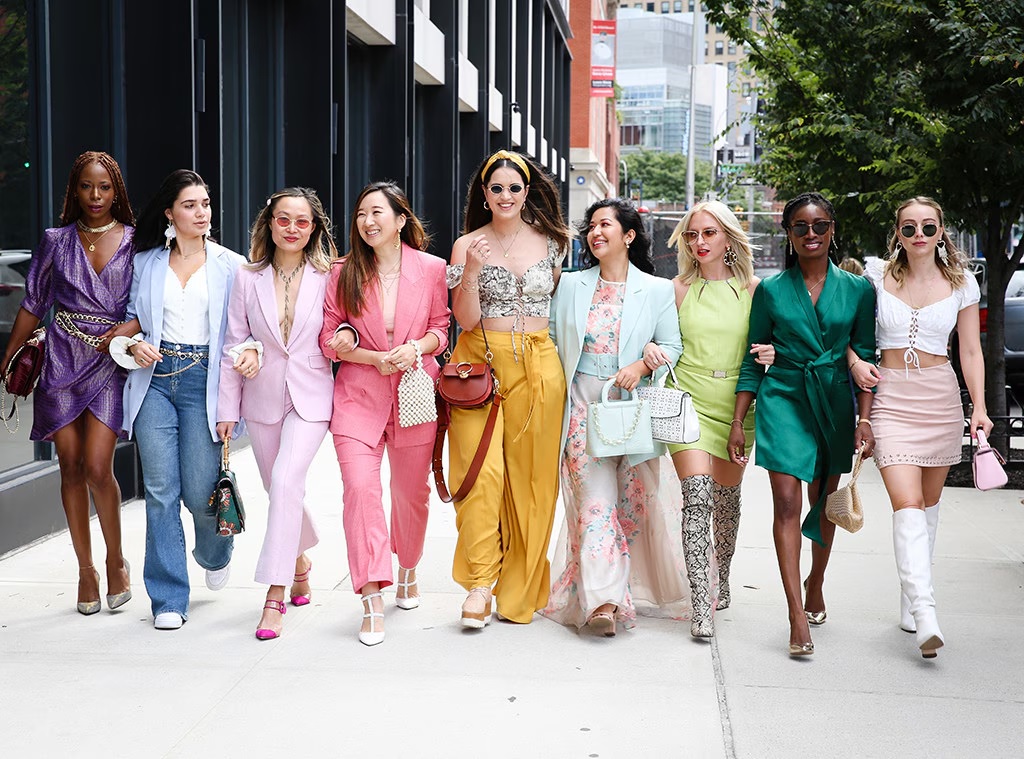
Fashion is more than just clothing; it is a form of self-expression, a reflection of culture, and a dynamic industry that constantly evolves. The fashion industry combines creativity, innovation, and business acumen to produce garments and accessories that influence lifestyles worldwide. From runway trends in Paris and Milan to street style movements in Tokyo and New York, fashion continues to be a global phenomenon that shapes identity, culture, and economy.
The Evolution of Fashion
Fashion has transformed significantly over centuries, reflecting social changes, cultural shifts, and technological advancements.
- Historical Fashion: In ancient civilizations, clothing signified status, profession, and cultural identity. For example, royal attire in Europe or traditional kimonos in Japan conveyed social hierarchy and heritage.
- Industrial Revolution Impact: Mass production enabled fashion to reach broader audiences, making stylish clothing accessible beyond the elite class.
- Modern Fashion Era: Contemporary fashion emphasizes individuality, sustainability, and global influence, blending traditional craftsmanship with innovative design.
Key Elements of Fashion
Fashion is a multifaceted field influenced by design, culture, technology, and trends. Understanding its core elements helps consumers and designers navigate this dynamic industry.
1. Clothing Styles and Trends
Clothing is the most visible aspect of fashion. Trends often shift seasonally, influenced by runway shows, celebrity culture, and social media. Key clothing styles include:
- Casual Wear: Comfortable, everyday clothing like jeans, t-shirts, and sneakers that prioritize ease of movement and practicality.
- Formal Wear: Tailored suits, dresses, and professional attire designed for business or ceremonial occasions.
- Streetwear: Urban-inspired fashion combining casual elements with bold statements, often influenced by music and pop culture.
- Luxury Fashion: High-end clothing from renowned designers, emphasizing craftsmanship, exclusivity, and premium materials.
2. Accessories and Styling
Accessories enhance personal style and complete an outfit. Popular accessories include handbags, shoes, belts, scarves, hats, and jewelry. Fashion enthusiasts use accessories to express individuality and elevate their overall look. Seasonal collections and collaborations with designers often introduce unique, trendsetting pieces.
3. Colors, Fabrics, and Textures
Color palettes, fabrics, and textures play a crucial role in fashion design. Designers select materials to convey aesthetic appeal, comfort, and functionality. Natural fabrics like cotton, silk, and wool remain popular, while synthetic fibers like polyester and nylon provide durability and affordability. Pattern trends, from florals and plaids to abstract prints, also significantly influence fashion cycles.
4. Fashion Subcultures
Various subcultures contribute to the diversity of fashion. Each subculture expresses distinct aesthetics and attitudes:
- Bohemian: Emphasizes free-spirited, artistic clothing with earthy colors and flowing fabrics.
- Gothic: Features dark tones, dramatic silhouettes, and edgy accessories.
- Minimalist: Prioritizes simplicity, clean lines, and neutral colors.
- Avant-Garde: Pushes creative boundaries with unconventional designs and experimental fabrics.
Current Trends Shaping Fashion
The fashion industry is continuously evolving, influenced by cultural shifts, technological innovation, and consumer demand.
1. Sustainable and Ethical Fashion
Sustainability is now a major focus in fashion. Consumers increasingly demand eco-friendly materials, ethical manufacturing practices, and transparent supply chains. Brands are using organic fabrics, recycled materials, and biodegradable packaging to minimize environmental impact. Ethical fashion also ensures fair wages, safe working conditions, and labor rights for workers.
2. Digital Fashion and Technology
Technology has transformed how fashion is designed, marketed, and consumed. Virtual fashion shows, augmented reality (AR) fitting rooms, and 3D-printed clothing are redefining the industry. Social media platforms allow instant trend dissemination, while AI helps predict consumer preferences and optimize inventory management.
3. Inclusivity and Diversity
Modern fashion emphasizes inclusivity, celebrating diverse body types, ethnicities, and gender identities. Brands are expanding size ranges, featuring models from varied backgrounds, and promoting gender-neutral clothing lines. This inclusivity not only reflects societal values but also appeals to a broader consumer base.
4. Street Style Influence
Street style has become a powerful trendsetter, blending casual, urban clothing with high-fashion elements. Influencers, celebrities, and social media platforms drive streetwear trends, creating a fusion of global styles and cultural influences.
5. Retro and Vintage Revivals
Fashion cycles often revisit past trends. Vintage-inspired clothing, retro prints, and classic silhouettes are making a comeback, offering nostalgia while integrating modern twists. Fashion enthusiasts combine vintage pieces with contemporary items to create unique, eclectic looks.
The Role of Fashion Weeks and Runway Shows
Fashion weeks in cities like Paris, Milan, London, and New York are critical for setting seasonal trends and showcasing designer creativity. Runway shows provide a platform for innovation, experimentation, and global media exposure. They influence retail trends, marketing campaigns, and consumer expectations worldwide.
Fashion and Global Culture
Fashion is deeply intertwined with culture, reflecting traditions, societal values, and identity. Designers often draw inspiration from historical garments, local crafts, and cultural symbols to create collections that celebrate heritage and contemporary style. Globalization has also facilitated cross-cultural exchange, resulting in hybrid fashion styles that merge diverse influences.
Tips for Building Personal Style
Personal style is about expressing individuality through clothing and accessories. Key tips include:
- Know Your Body Type: Select clothing that enhances your natural shape and proportions.
- Invest in Wardrobe Staples: Classic pieces like a tailored blazer, white shirt, or black dress provide versatile foundation options.
- Experiment with Colors and Patterns: Use colors, prints, and textures to express personality and mood.
- Accessorize Thoughtfully: Accessories can elevate an outfit and reflect personal taste.
- Stay Updated on Trends: Follow fashion news, magazines, and social media to integrate current styles with personal preferences.
Challenges in the Fashion Industry
The fashion industry faces several challenges:
- Fast Fashion Impact: Mass-produced, low-cost clothing often results in environmental harm, labor exploitation, and overconsumption.
- Sustainability Costs: Eco-friendly materials and ethical production can increase manufacturing costs.
- Market Competition: Intense competition requires brands to innovate continually and maintain consumer loyalty.
- Changing Consumer Behavior: Consumers increasingly seek personalized, sustainable, and digitally integrated shopping experiences.
The Future of Fashion
The future of fashion will continue to blend creativity, technology, and social responsibility. Emerging trends include:
- Smart Clothing: Integration of wearable technology for health tracking, climate control, and interactive features.
- Circular Fashion Models: Recycling, resale, and upcycling practices to reduce waste and promote sustainability.
- Personalized Fashion: AI-driven customization allows consumers to design clothing according to personal preferences and measurements.
- Global Collaboration: Cross-industry partnerships between fashion, technology, and art will produce innovative and multifunctional designs.
Conclusion: Fashion as a Form of Expression and Innovation
Fashion is a dynamic intersection of art, culture, and commerce. It allows individuals to express identity, creativity, and values while shaping global trends and economic growth. By embracing sustainability, diversity, technology, and personalization, the fashion industry continues to innovate, inspire, and redefine style standards worldwide. Understanding fashion not only helps consumers make informed choices but also allows designers, entrepreneurs, and enthusiasts to influence the future of this ever-evolving industry.
FAQs About Fashion
1. How is sustainable fashion changing the industry?
Sustainable fashion reduces environmental impact, promotes ethical production, and encourages responsible consumer behavior.
2. What role does technology play in modern fashion?
Technology enables virtual fashion shows, AR fitting rooms, AI-driven trend predictions, and innovative fabric designs.
3. How do fashion weeks influence consumer trends?
Fashion weeks showcase seasonal collections, set trends, and create global awareness, influencing retail and streetwear styles.
4. Why is inclusivity important in fashion today?
Inclusivity ensures representation of diverse body types, ethnicities, and gender identities, reflecting social values and reaching broader audiences.
5. What is the impact of street style on mainstream fashion?
Street style introduces grassroots trends, urban influences, and fusion aesthetics, often adopted by designers for mainstream collections.
6. How can individuals develop a personal fashion style?
Understanding body type, experimenting with colors and patterns, investing in staples, accessorizing thoughtfully, and staying aware of trends helps build personal style.
7. What are the future trends in fashion?
Emerging trends include smart clothing, circular fashion, AI-driven personalization, global collaborations, and sustainable innovations.

Comments are closed.