

Getting Started: Laying the Groundwork for Your Dream Home
The Importance of a Vision Board: Crafting Your Renovation Dreams
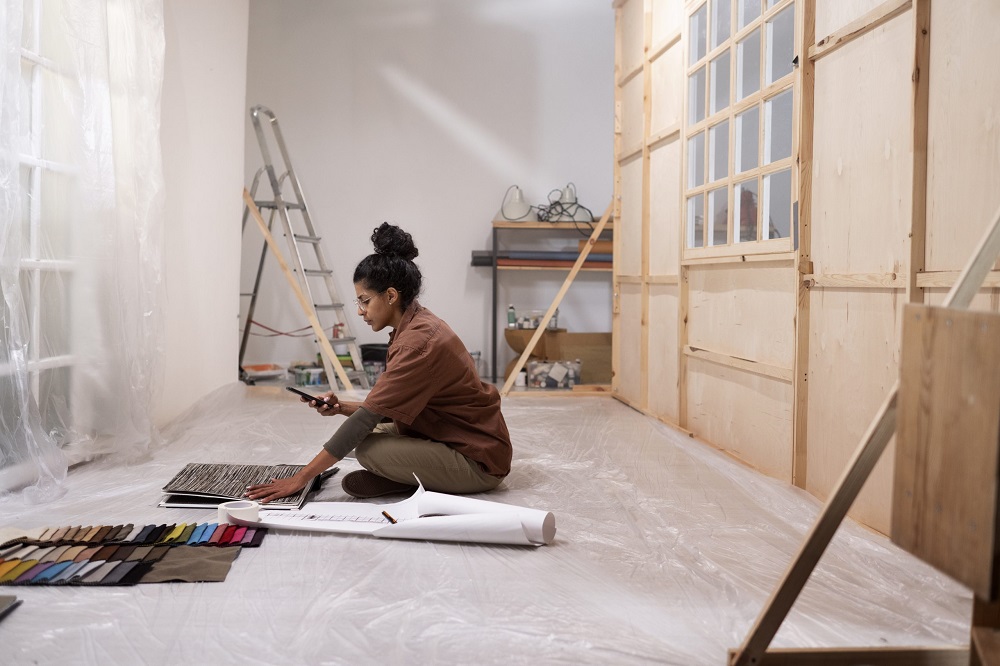
Before embarking on a home renovation journey, creating a vision board can serve as a pivotal foundation. A vision board allows homeowners to consolidate their ideas, dreams, and inspirations into one cohesive visual representation. This compilation of images, color swatches, and material samples can help clarify intentions and focus on the desired outcome of the renovation project. Utilizing platforms like Pinterest or even a simple poster board can facilitate this process. Gather images that resonate with your style, whether it be modern minimalism, rustic charm, or industrial chic, and curate a collection that inspires you. Don’t forget to include elements beyond aesthetics; consider how you want your spaces to function as well. Thoroughly analyzing your current lifestyle, needs, and routines will enhance this effort. Think about how many family members live in the home, any pets that need consideration, or even your valuable hobbies. The vision board process not only sets the stage for your project but also acts as a motivational tool, energizing you and the professional team you’ll engage in the renovation journey.
Budgeting Like a Pro: How to Avoid Financial Pitfalls
Budgeting is an essential yet often underappreciated aspect of home renovation that can ultimately dictate the project’s success or failure. Start by determining a realistic budget, which should include not only the direct costs of materials and labor but also contingencies for unexpected expenses—commonly referred to as a “buffer.” Experts recommend setting aside about 10%-20% of your overall budget for unforeseen issues, ensuring you’re prepared should the need for structural repairs or upgrades arise. Breakdown anticipated costs into categories like design services, building materials, labor, permits, and even interior furnishings. Make sure to obtain multiple quotes from contractors to have a well-rounded understanding of labor costs and material pricing. It’s also beneficial to educate yourself about value-adding renovations versus costly projects that may not yield a high return on investment—this is where strategic choices can truly pay off. Lastly, consider financing options, whether through savings, home equity loans, or personal loans, to ensure you’re financially equipped to undertake the project without accruing excessive debt.
Choosing the Right Professionals: Finding Your A-Team
Your renovation project can only be as successful as the team you assemble. Choosing the right professionals—architects, designers, contractors, and specialists—can make a significant difference in achieving your vision and staying on budget. Start by doing thorough research, leveraging platforms such as Angie’s List or Houzz to read reviews and find top-rated professionals in your area. Ask for recommendations from friends or family who have undergone similar projects. Once you have a shortlist, conduct interviews, paying close attention to their communication style, flexibility, and willingness to understand your vision. Portfolios are crucial; they provide insight into the aesthetic and practicality of their completed projects. Verify credentials, licenses, and insurance to safeguard yourself from liability. Remember, open lines of communication and mutual respect foster collaboration, making it easier to address concerns and adjustments during the project, ensuring you feel comfortable and confident every step of the way.
Design Decisions: Unleashing Your Inner Architect
Trendy vs. Timeless: Striking the Balance in Your Design Choices
As you delve into the design aspect of your renovation, the tug-of-war between trendy elements and timeless design can be overwhelming. A well-rounded approach is vital to ensure that your home reflects current tastes while retaining enduring features. Trends often come and go, making it necessary to evaluate which elements resonate with your long-term vision. For instance, while open-concept layouts are popular, they might not suit everyone’s lifestyle. Similarly, the color palette you choose can make or break the overall aesthetic; opting for largely neutral colors can provide a timeless backdrop while allowing you to feature bold, trendy accents through furniture or décor. Invest in quality materials and craftsmanship that promise longevity, and think about timeless architectural features—like crown molding, hardwood floors, or classic cabinetry—that enhance your home’s character. The goal is to weave in trends in a way that is distinctly you without losing sight of the functional requirements and longevity of your living spaces.
Space Planning: Making the Most of Your Square Footage
Effective space planning is critical to maximizing your home’s potential, especially if you’re working within limited square footage. Understanding how space will be utilized should begin with assessing the flow of movement between rooms and areas in your home. Identify key activities that will take place in each space and how they relate to one another; this can help you determine the necessity for open spaces versus defined areas. Utilize software tools like SketchUp to visualize the layout and understand how furniture placements will impact accessibility and comfort. Flexibility in furniture choice is essential—consider multifunctional pieces that can transform according to need, allowing you to optimize space. Additionally, incorporate vertical space through shelves or cabinets to minimize clutter physically while providing ample storage. With a keen eye for organization and strategic design, even the smallest homes can feel open and inviting rather than cramped or chaotic.
Color Theory 101: Creating Atmosphere with the Right Palette
Color is not merely an aesthetic choice; it fundamentally affects mood perception and emotional well-being. Understanding color theory can help you curate a palette that resonates with the intended purpose of a room. Identify each space’s primary functions—like relaxation in a bedroom or energy in a home office—and select colors accordingly. Warm tones such as reds and yellows can invigorate a room and stimulate conversation, making them ideal for social spaces. Conversely, blues and greens promote tranquility, making them perfect for bedrooms or study areas. When coordinating color palettes, consider the three main categories: primary, secondary, and tertiary colors. Additionally, use the 60-30-10 rule—60% a dominant color for walls, 30% a secondary color for upholstery, and 10% an accent color for accessories—to create visually appealing compositions. Ultimately, be bold yet strategic in your choices, ensuring that the selected colors reflect personal taste while creating cohesive and harmonious environments throughout your home.
The Nitty-Gritty: Navigating the Construction Phase
Permits and Regulations: What You Need to Know Before You Build
Before swinging a hammer, it is essential to understand the legal landscape of home renovations. Most municipalities require specific permits for structural changes, electrical, or plumbing work to ensure that safety and building codes are met. Failing to obtain the necessary permits can result not only in fines but also in removal of work that may have already been completed. Start by consulting your local government’s website or zoning department to determine the types of permits required for your project. Hiring a knowledgeable contractor skilled in navigating these regulations can help streamline the permitting process, but you can also take the initiative to further educate yourself about local codes. Moreover, understanding how these regulations can affect your time frame and costs will prepare you for potential delays, ultimately protecting your investment and ensuring that your project is up to code.
Timeline Troubles: Keeping Your Renovation on Schedule
Staying on schedule during a renovation project can feel like a Herculean task, often hindered by unforeseen issues that crop up along the way. Developing a realistic timeline is key, understanding that construction tends to take longer than anticipated. A comprehensive timeline should account for the different phases of the project, providing flexibility where needed—unexpected delays due to supply chain shortages or weather can arise, so having a buffer period can be beneficial. Regular progress meetings with your contractor about milestones attained can help keep the project on track. Utilize project management tools to monitor progress and communicate issues as they develop. Additionally, preparing your space—clearing belongings and getting storage solutions in place—can save time, ensuring a smoother workflow. Ultimately, the goal is to obtain a completed project without the stress of extended timelines while still maintaining high quality and professionalism throughout the home renovation process.
Communication is Key: Managing Expectations with Contractors
Effective communication serves as the backbone of successful contractor-client relationships, fostering an environment where expectations are clearly established and met. Setting transparent communication guidelines from the beginning is essential to avoiding misunderstandings that can lead to project delays or unsatisfactory outcomes. Establish regular check-in meetings to discuss the progress, be open about your concerns, and encourage your contractor to share theirs. Utilize technology; apps like Buildertrend or CoConstruct can streamline communication and keep everyone updated in real-time. Furthermore, tackle each design decision collaboratively—ensuring you articulate your vision clearly while seeking their professional advice can help build rapport and trust. Nurturing this relationship creates an atmosphere where transparency is valued, ultimately culminating in a smoother renovation journey and a finished product that everyone can be proud of.
Finishing Touches: Transforming Renovation into Realization
Styling Your New Space: Interior Design Tips for Cohesion
After navigating the construction and design decisions, focusing on the finishing touches is where your home truly evolves into a personalized sanctuary. Interior styling is a delicate balance—drawing from your curated vision board to incorporate decorative elements that cohesively align with your design motifs is fundamental. Consider layering textures, patterns, and colors that complement one another; this adds depth to your spaces. Utilize varying heights in decorative arrangements for visual interest, and don’t shy away from unique statement pieces that can serve as conversation starters without overwhelming the room. Additionally, accentuate natural light by using mirror placements strategically, creating an illusion of larger spaces. Plants can also breathe life into any room, making the space feel vibrant and inviting. Cohesive styling that showcases personal memorabilia, artwork, and accessories will imbue your renovated home with authenticity and heart, transforming it into a space that feels distinctly yours.
Eco-Friendly Choices: Sustainable Solutions for Modern Homes
Incorporating sustainable solutions into home renovations has transitioned from being a trend to a necessity in modern design. As climate change and environmental degradation become pressing global challenges, homeowners increasingly seek ways to reduce their carbon footprint through eco-friendly renovations. Begin by sourcing sustainable materials, such as reclaimed wood, bamboo flooring, or recycled glass tiles. Advanced technologies such as energy-efficient windows and smart home solutions can significantly reduce utility bills while promoting energy savings. Consider installing low-flow plumbing fixtures to minimize water usage, as well as utilizing organic paints that lack harmful VOCs (volatile organic compounds). Furthermore, implementing better insulation can reduce energy waste, keeping homes more comfortable year-round. The key is to adopt a holistic approach in making conscious decisions throughout the renovation process, ensuring that your stylish space is also environmentally responsible.
Celebrating Your Success: Throwing a Housewarming to Remember
Completing a home renovation is a significant achievement that deserves to be celebrated. A well-planned housewarming party not only invites loved ones to witness your labor and dedication but also permeates your home with warmth and joy. Start by curating a guest list that includes friends, family, and perhaps even neighbors you wish to connect with. Selecting a theme or color palette that echoes your renovated spaces can enhance the atmosphere you want to convey. Prepare a spread of both savory and sweet treats, and consider signature cocktails or mocktails that reflect your creative flair. Create cozy seating arrangements that promote conversation and interaction, perhaps even incorporating your newly designed spaces into the layout. Finally, take a moment to appreciate the culmination of your hard work and vision—it’s your time to bask in the beauty of a transformed living space, surrounded by loved ones who now share in your journey.
FAQ
Question: What should I consider when creating a vision board? – Consider incorporating your personal style, functionality needs, and current lifestyle analysis while gathering images, color swatches, and material samples to represent your renovation dreams.
Question: How can I effectively choose a contractor for my renovation? – Research professionals using platforms like Angie’s List or Houzz, ask for recommendations, and conduct interviews to evaluate communication style and previous work portfolios.
Question: What types of permits might be necessary for a renovation project? – Permits may include those for structural changes, electrical work, or plumbing. It’s essential to check with your local government’s website or zoning department for specific requirements.
Question: How can color theory help with my home renovation? – By understanding how different colors affect mood and perceptions, you can create a cohesive palette that enhances the purpose of each room, ensuring your spaces promote desired atmospheres.
Question: What is the importance of budgeting in home renovations? – Budgeting is crucial as it dictates the project’s scope and feasibility. Including contingencies for unexpected expenses can prevent financial strain and help you make informed decisions.
Question: How can sustainable solutions be incorporated into my renovation? – Consider using eco-friendly materials, energy-efficient appliances, and smart home technology to reduce your carbon footprint while promoting sustainability in your newly renovated space.
Question: What strategies can help keep my renovation on schedule? – Develop a realistic timeline, maintain regular check-ins with your contractor, and be prepared to adapt to delays while ensuring the quality of work remains high.
Question: How can I make my housewarming feel special and memorable? – Curate a thoughtful guest list, choose a theme that reflects your renovation, prepare delicious treats, and arrange cozy seating to foster conversation and celebration of your new space.
Useful Resources
- Houzz
- Angie’s List
- National Association of Home Builders
- S. Department of Energy
- Environmental Protection Agency (EPA)
- Green Home Guide
- American Psychological Association – Color Psychology
- Association of Interior Designers

Comments are closed.