

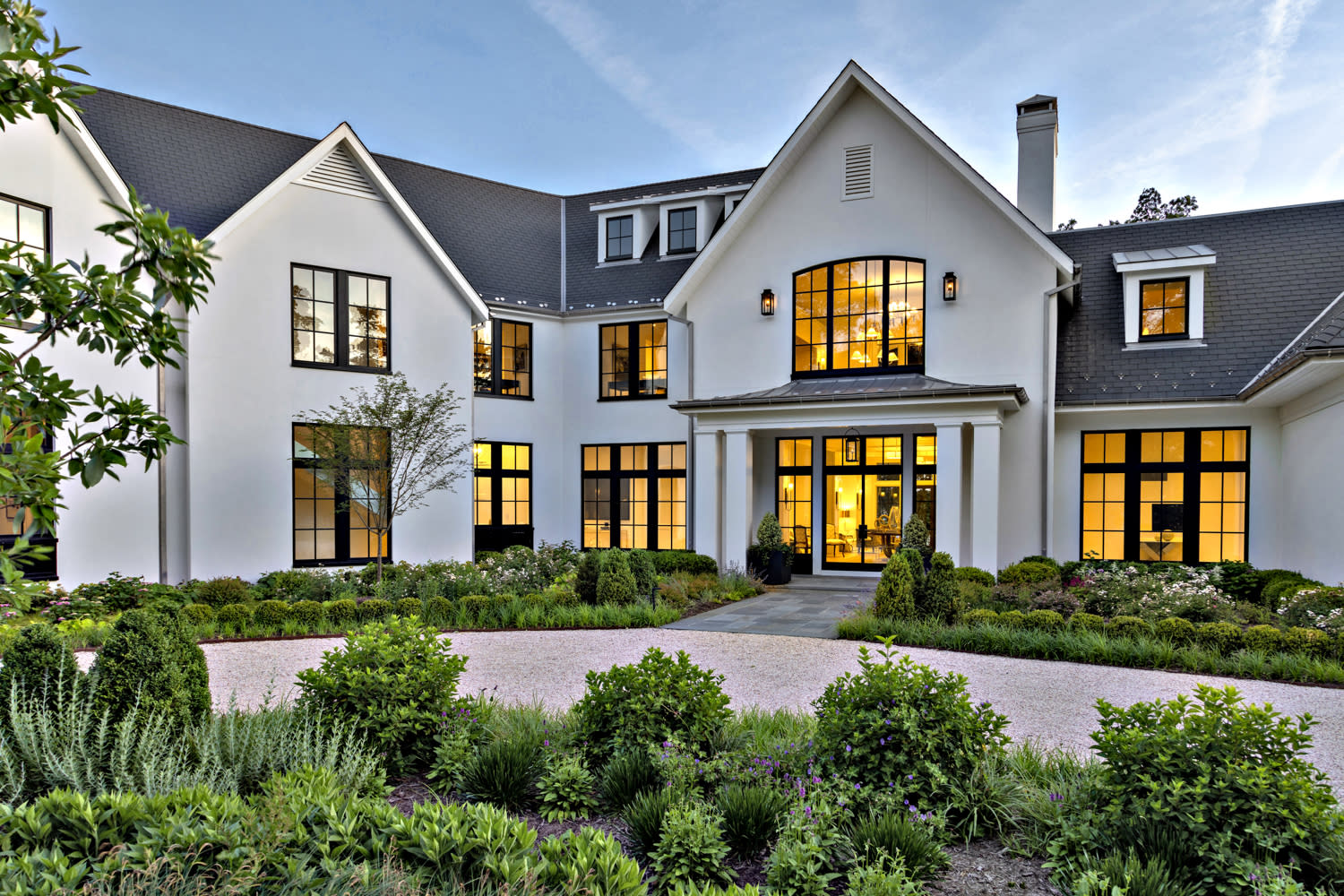
Unveiling the Magic of Landscape Design
The Art and Science of Landscape Architecture
Landscape architecture is a unique discipline that harmoniously blends art and science to enhance our interactions with outdoor spaces. It transcends mere aesthetics; it encompasses the meticulous planning and design of various elements, including topography, vegetation, structures, and water features, all while considering the ecological, cultural, and social impacts of these choices. At its core, landscape architecture aims to create spaces that are not only visually appealing but also functional, sustainable, and reflective of the natural environment.
One of the fundamental principles of landscape architecture is that every project should respond to its context — that is, the unique characteristics of the site, local climate, and surrounding environment. By employing techniques such as site analysis, designers assess how natural elements, sunlight, wind patterns, and soil types can influence the layout and maintenance of these spaces. This nuanced understanding allows professionals to create designs that work with nature rather than against it, leading to more resilient and enduring landscapes.
The effectiveness of landscape architecture is also rooted in its ability to tell a story. A well-executed design not only serves practical purposes but reflects the cultural ethos of the area, promoting community interaction and ecological stewardship. As cities expand and society grows more conscious of environmental issues, the role of landscape architects becomes increasingly vital, as they seek solutions that integrate beauty, functionality, and sustainability into our everyday lives.
Creating Focal Points: From Garden Ornaments to Fire Pits
In landscape design, focal points play a pivotal role in guiding the viewer’s eye and defining the narrative of the outdoor space. These points of interest, whether they be an intricately designed water feature, a stunning sculpture, or even a cozy fire pit, establish a visual anchor that can elevate the entire landscape aesthetic. When executed thoughtfully, these focal points create zones within the landscape, encouraging people to explore different areas while evoking emotional responses and promoting relaxation.
Garden ornaments, ranging from classic statues to contemporary art pieces, can be integrated to reflect personal style and enhance the overall theme of the landscape. Similarly, fire pits serve a dual purpose. They are not only functional elements that provide warmth and light during cooler evenings, but they also create a gathering space where friends and family can bond. The choice of materials, from brick to metals, can also impact the design narrative, lending a rustic or modern feel accordingly.
Moreover, the placement of these focal points should be intentional, carefully considering sightlines from various angles and areas within the space. For example, a strategically positioned sculpture can draw the eye from the entrance of a garden, inviting visitors to explore deeper. Adept landscape designs often incorporate a hierarchy of focal points that complement one another while also allowing for the organic flow of the landscape itself.
Sustainable Practices in Modern Landscaping
Eco-Friendly Materials: A Path to Sustainable Beauty
As awareness of environmental issues grows, there is an increasing demand for sustainable landscaping practices. Incorporating eco-friendly materials is a fundamental aspect of this movement. From reclaimed wood and recycled composite decking to permeable paving stones and low-VOC (volatile organic compound) paints, these materials not only minimize environmental impact but also add unique textures and aesthetics to landscaping projects.
Reclaimed materials, such as barn wood or repurposed bricks, lend a sense of history and timelessness while reducing waste. Meanwhile, permeable paving allows for better water management by facilitating natural drainage, thus preventing water runoff and promoting groundwater recharge. When selecting materials, it’s essential to consider their longevity, maintenance, and environmental footprint. Choosing local suppliers further reduces transportation emissions while supporting regional economies.
Additionally, the trend towards sustainable landscaping features structured elements like green roofs, which support insulation and biodiversity, and rain gardens that manage stormwater runoff and promote local fauna. Such features not only enhance the beauty of the landscape but also serve as components of larger ecological systems, creating harmony between urban environments and the natural world.
The Role of Native Plants in Supporting Biodiversity
Incorporating native plants in landscaping is one of the most effective ways to promote biodiversity and sustainability. Native species are adapted to local climate conditions and soil types, requiring less water, maintenance, and chemical interventions than non-native species. This adaptability allows native plants to thrive, supporting local wildlife, including pollinators like bees and butterflies, which are crucial for maintaining ecological balance.
Choosing native plants can facilitate the restoration of local ecosystems, providing vital habitats for birds, insects, and small mammals. This practice encourages a vibrant web of life, fostering greater resilience in the face of climate change. Additionally, native plants can help reduce the need for chemical fertilizers and pesticides, minimizing environmental pollutants.
Moreover, utilizing native flora can create a sense of place, instilling a greater bond of connection between the landscape and its inhabitants. By celebrating the region’s unique natural beauty and heritage, homeowners can cultivate outdoor spaces that feel authentic and inviting. Programs that promote native landscaping are proliferating, with many municipalities offering incentives for homeowners to transform their yards into native plant sanctuaries, emphasizing the importance of local ecosystems.
Transformative Elements: Enhancing Your Outdoor Experience
Lighting Techniques that Bring Your Landscape to Life
Effective landscape lighting can enhance the beauty and functionality of outdoor spaces while simultaneously providing safety and security after dark. The strategic placement of lighting creates visual intrigue, allowing outdoor spaces to be enjoyed long after sunset. It also serves to highlight key features such as trees, pathways, water features, and architectural elements, transforming the landscape into a magical realm of shadows and soft illuminations.
From path lights that ensure safety along walkways to uplights that accentuate the beauty of mature trees, the choices for landscape lighting are diverse. LED lights, in particular, have gained popularity due to their energy efficiency, longevity, and decreased environmental impact compared to traditional incandescent options. Smart lighting systems are also becoming commonplace, allowing homeowners to customize settings and schedules for lighting elements based on personal preference or seasonal occasions.
Moreover, color temperature plays a crucial role in creating the desired ambiance. Warm white lights can evoke a cozy outdoor gathering, while cooler lights can lend a modern edge to contemporary spaces. To further enhance outdoor experiences, lighting can be synchronized with music or activity, creating a multi-sensory environment perfect for entertaining or relaxation.
The Benefits of Water Features: Zen Gardens and Beyond
Water features have long been a staple in landscape design, providing both aesthetic charm and serene ambiance. They can dramatically alter the atmosphere of outdoor spaces, making them feel more tranquil and inviting. Ponds, fountains, and reflecting pools infuse the landscape with sound and movement, providing a natural mechanism for stress relief and relaxation.
Zen gardens, for example, utilize water concepts along with stones and sand to create minimalist landscapes conducive to meditation and mindfulness. These gardens are designed to evoke peace and reflection, fostering a direct connection to nature. Additionally, water features can also attract wildlife, serving as valuable habitats for frogs, dragonflies, and various bird species while enhancing ecological richness.
From a functional standpoint, water elements can also mitigate outdoor temperature extremes, moderating microclimates within the garden. The sound of flowing water can drown out background noise, making them perfect retreats from urban cacophony. Incorporating water features into a landscape, however, requires careful planning to ensure proper maintenance and water quality, thereby maximizing benefits while minimizing potential problems.
Choosing the Right Professional Landscape Services
What to Look for in a Landscape Company: Credentials and Creativity
Choosing the right landscape services can be pivotal for successfully transforming your outdoor space. A professional landscape company should possess both creativity and a solid understanding of horticulture, landscape design, and construction techniques. Credentials, such as certifications from recognized industry bodies and affiliations with professional landscaping organizations, can also be a strong indicator of a company’s reliability and expertise.
Beyond qualifications, assessing previous work through portfolios and customer testimonies can provide insight into a company’s style, creativity, and ability to execute a cohesive vision. It’s also beneficial to seek companies that prioritize communication and collaboration, as a successful outdoor project is ultimately a partnership between the client and the designer. This collaborative process allows for personal touches while ensuring the final design is both functional and aesthetically pleasing.
Moreover, consider the company’s approach to resilience and sustainability, as these are increasingly essential in modern landscape design. Look for firms that invest in ongoing education for their staff, as trends and best practices are always evolving, particularly in an industry where environmental awareness is growing.
Understanding Pricing: Value vs. Cost in Landscaping
When embarking on a landscaping project, understanding pricing structures can be convoluted and daunting. The initial quote of a landscape service may encompass multiple factors, including design fees, labor costs, and the price of materials. Often, low quotes can indicate a lack of experience or may mean that corners are cut, potentially compromising the quality and sustainability of the design.
It’s crucial to look at value rather than just cost; sometimes investing a little more upfront can yield significant returns in terms of durability and aesthetic pleasure. A high-quality landscape designed by professionals can enhance property value and improve quality of life for its occupants. Additionally, well-planned outdoor spaces can lead to savings on maintenance costs and utility bills due to improved garden health and more efficient water usage.
Ultimately, encourage transparency during the selection process, requesting detailed cost breakdowns and evaluating the comprehensive value package each company offers based on experience, customer service, and design ingenuity. Making informed decisions based on thorough research and clear communication can lead to a successful transformation of your outdoor spaces beyond mere visual beauty.
FAQ
Question: What types of outdoor spaces can professional landscape services transform? – Professional landscape services can transform a variety of outdoor spaces including residential gardens, commercial properties, parks, and public amenities, adapting their designs to meet the unique needs and characteristics of each setting.
Question: How do I know if my landscape project is sustainable? – A sustainable landscape project incorporates native plants, eco-friendly materials, and considers local wildlife, rainfall patterns, and climate, focusing on preserving and enhancing the natural ecosystem rather than disrupting it.
Question: Can landscape services help with maintenance after the design is completed? – Yes, many landscape services offer maintenance packages that include regular upkeep, seasonal adjustments, and long-term care to ensure that the landscape continues to thrive and maintain its aesthetic over time.
Question: How long does a typical landscape design project take? – The duration of a landscape design project can vary widely based on the project’s complexity, size, and the weather conditions. Generally, small-scale projects may take a few weeks, while larger and more complex designs could take several months to complete.
Question: Are there any regulations I need to be aware of for landscaping? – Yes, local regulations may include zoning laws, permits for specific structures (like fences or sheds), and guidelines on the types of plants that can be used. It’s advisable to consult with your landscape service to ensure compliance with local regulations.
Question: How can I choose a landscape service that fits my style? – To find a landscape service that aligns with your style, review their portfolio of past projects, read client testimonials, and have discussions about your vision to gauge their understanding and willingness to incorporate your preferences into their designs.
Question: What factors influence the cost of landscaping services? – The cost of landscaping services is influenced by various factors including the size of the project, the complexity of the design, the materials used, labor costs, and any additional features such as water elements or lighting installations.
Question: How can I involve my children in the landscaping process? – Involving children in the landscaping process can be fun and educational; tasks can include planting flowers or vegetables, designing a small garden space, or creating art for the landscape, providing a chance for them to learn about nature and gardening.
Useful Resources
- American Society of Landscape Architects (ASLA)
- Cooperative Extension System
- S. Environmental Protection Agency (EPA)
- Plant Native
- University of Wisconsin-Madison – Horticulture
- Permaculture Institute
- Green Roofs for Healthy Cities
- National Wildlife Federation

Comments are closed.